
Virtual Counseling Real Clinical Support by Secure Video
We offer virtual counseling when telehealth is a clinically appropriate fit—including virtual alcohol use disorder counseling for adults who need structured support without every session on-site. Care stays confidential, psychiatrist-informed when medication is involved, and connected to our in-clinic PHP and IOP programs in Richardson and San Antonio.
 Verify Insurance
- Secure Telehealth
- Hybrid Options Available
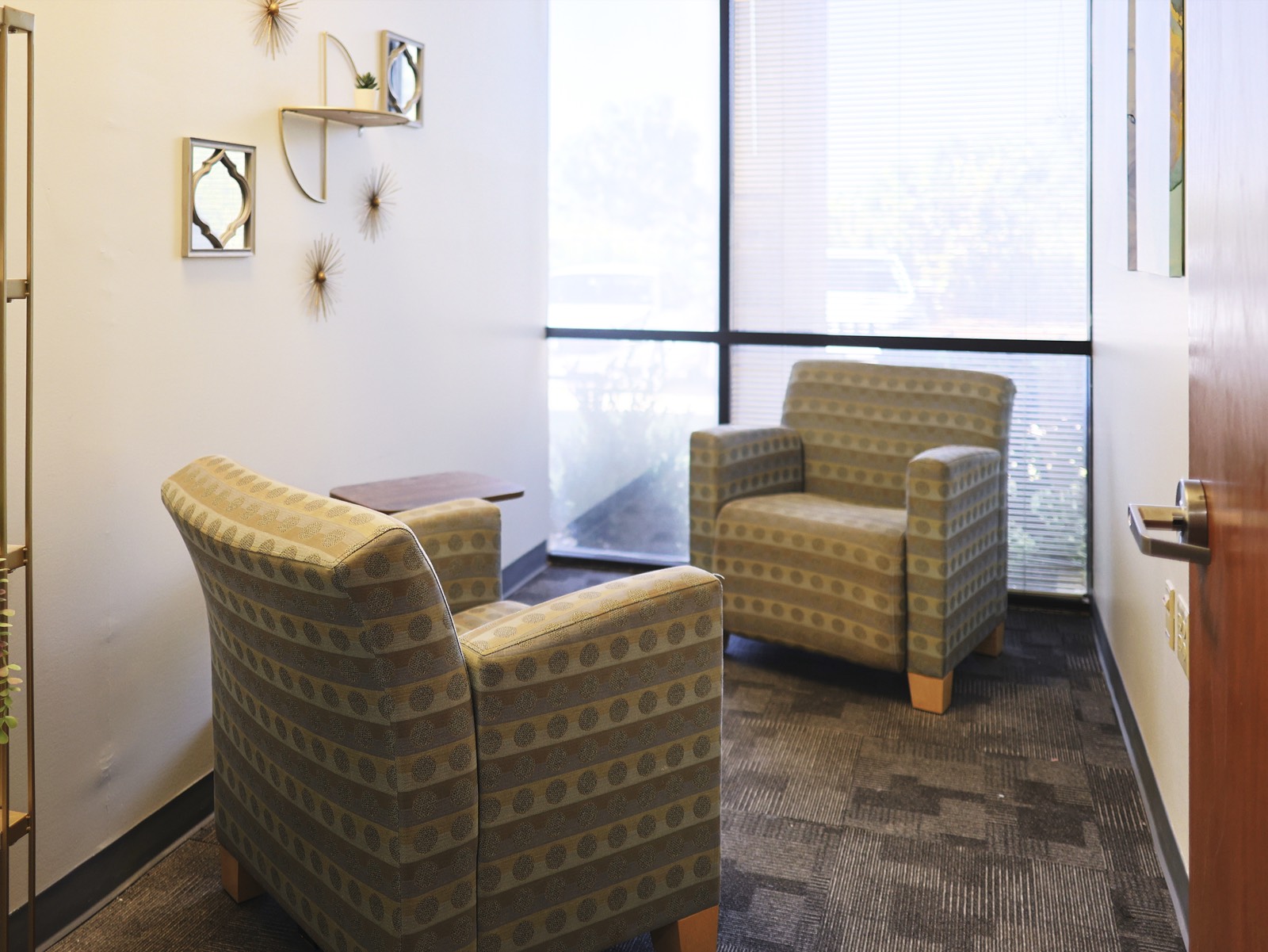
When telehealth helps—and when it does not
Virtual counseling can work well for adults who are medically stable, have a private place to meet, and need individual therapy or structured outpatient support around work, childcare, or distance. A virtual alcohol use disorder counseling program may include individual sessions and coordinated planning with our clinical team when drinking is the primary concern and in-person intensity is not required every day.
Telehealth is not a substitute for medical detox when withdrawal risk is high. It is not the right sole level of care when someone needs daily PHP structure, is in acute crisis, or cannot engage safely on video. Your assessment decides whether virtual, in-clinic, or a hybrid plan is safest.
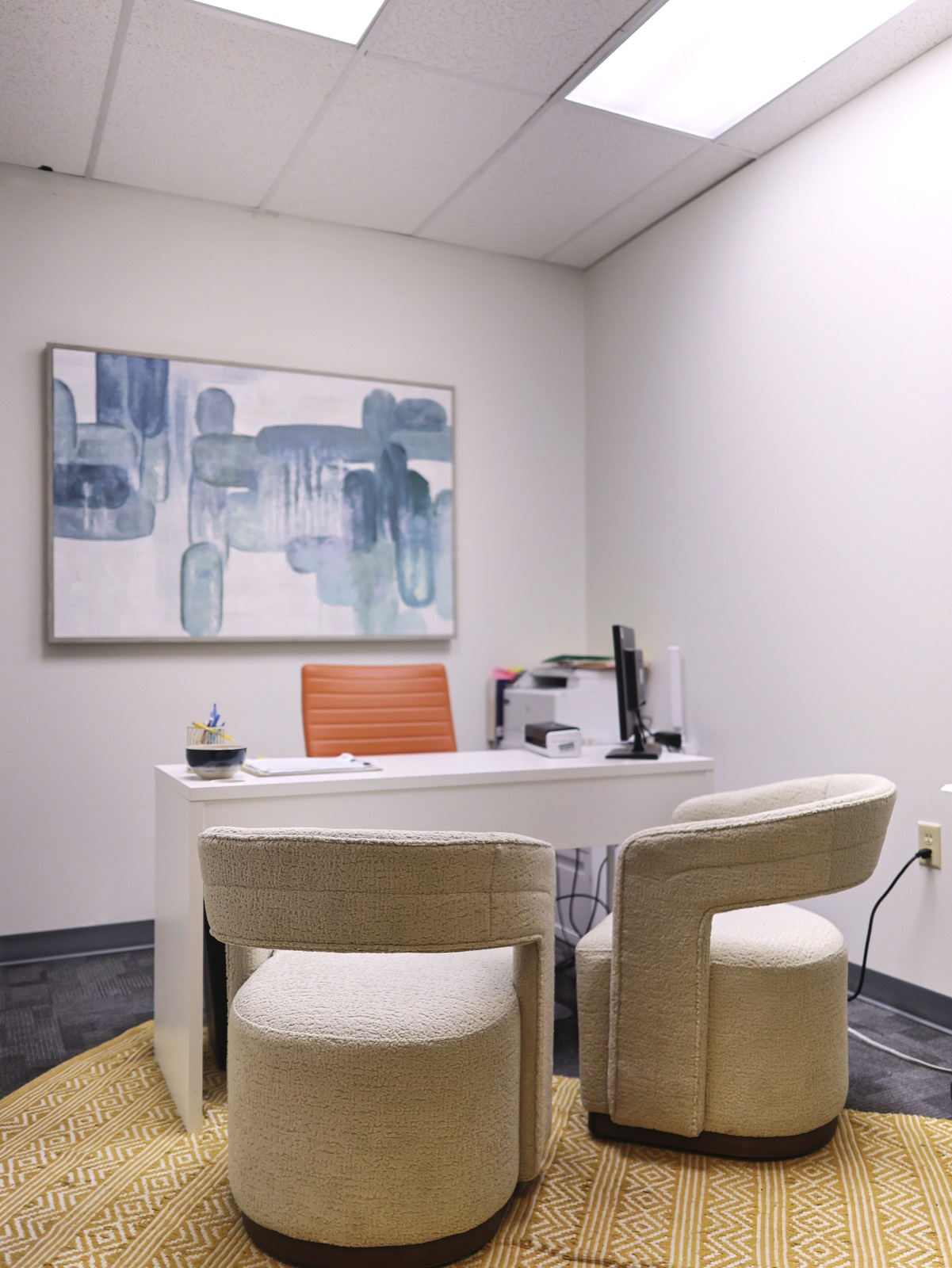
What a virtual counseling program includes
After a confidential assessment, we recommend a plan: virtual sessions only, hybrid (some video, some in-clinic), or primarily in-person IOP / PHP. Virtual appointments use secure video. You will need a quiet space, stable internet, and a device with camera and microphone. Sessions focus on the same clinical goals as in-person care—coping skills, craving management, mood and anxiety support, relapse prevention, and medication coordination when indicated.
For alcohol use disorder, virtual counseling can address patterns of drinking, triggers, sleep, and co-occurring anxiety or depression. If you also need group intensity, evening IOP at our Richardson or San Antonio clinic can pair with virtual individual sessions. Dual diagnosis stays available when mental health and substance use both need attention.
Insurance and privacy
Many plans cover telehealth outpatient services when medically necessary. We verify benefits before you start and explain estimated responsibility. Care remains HIPAA-protected. Choose a private location for sessions—not a parked car outside work if you cannot speak freely.
Call 469-747-1201 to ask about virtual counseling availability, or verify insurance online. Explore alcohol rehab and addiction treatment for in-clinic program detail.
Hybrid care with our Texas clinics
Virtual counseling does not replace our clinics. Richardson serves Dallas–Fort Worth; San Antonio serves South Texas. Many clients use video for individual work and attend groups on-site when accountability and peer support matter most. Others start virtual while arranging schedule or transportation, then step into IOP. The clinical team keeps one plan so telehealth never becomes a disconnected side channel.
If you live farther from either clinic but can still reach us for assessment or periodic in-person visits, ask admissions whether a hybrid plan is realistic. Honesty about distance, childcare, and work hours helps us recommend a schedule you can actually keep—because consistency beats a perfect plan you abandon in week two.
Virtual alcohol counseling in practice
A virtual alcohol use disorder counseling path often starts with assessment of how much and how often you drink, withdrawal history, and whether depression or anxiety is part of the cycle. Sessions may focus on urge surfing, refusing drinks in social settings, rebuilding sleep, and planning evenings that used to center on alcohol. If cravings spike or safety changes, we escalate to in-clinic IOP or PHP rather than pretending video alone is enough.
Families sometimes prefer virtual starts because the first step feels less public. That can help—as long as the person has privacy on the call and is not intoxicated during sessions. We will pause or reschedule rather than run a useless appointment. The goal is clinical progress, not checking a telehealth box.
Technology and show-up basics
Test your camera and mic before the first session. Use headphones if others are nearby. Join from a parked, private place only if you can speak freely and stay attentive. Have a backup phone number for admissions if the connection drops. These details sound small; they are the difference between real therapy and a frustrating half-hour of frozen video.
Ready to ask whether virtual counseling fits? Call 469-747-1201. Bring your insurance card if you have it, a short description of what you drink or use, and any constraints around work or childcare. We will tell you honestly if telehealth, hybrid care, or full in-clinic IOP/PHP is the safer recommendation—and we will verify benefits before you commit.
Real People. Real Healing. Real Results.

“Real Deal is without a doubt the most structured and therapeutic rehab program I have ever attended. It has brought me to one year in sobriety and I don't know what I would have done had I not participated in the program. I highly recommend Real Deal to anyone struggling with alcohol and/or drugs. It's amazing. Just try it and you will see for yourself!”
“Realdeal wellness and therapy will always have a special place in my heart for all the opportunities and care they've provided. They helped pave the way for me to achieve sobriety and build a better life for myself and when I needed them the most they were there in a heartbeat. Extremely grateful for their services and the environment they provide for recovery.”
“Real deal is a truly rare place that has instrumental in my rehabilitation. The staff truly cares deeply about you and wants you to succeed. Also Real Deal is one of not many outpatient rehab places that takes primary mental health cases. Highly recommend this place and thank you to everyone who helped me.”
“I love all of these guys. These guys made me feel better. They made me think better. I don't feel those ways anymore. Before I came here, I was certain I wouldn't be alive for much longer. These guys fixed that.”
“The Real Deal is an incredible program that prioritizes accessibility more than almost any other PHP, IOP, and Housing program. With housing fees at lower price point than a majority of sober livings, the option to have your pet with you, and a supportive recovery community, they really do try to eliminate barriers to care as much as possible.”
“Real Deal is different then the others. It offers flexible support for recovery, allowing you to live at home while attending therapy and counseling sessions. It's designed to fit your schedule and provides tools to maintain sobriety and prevent relapse. The focus on mental health is a great way to get to the root of what's gone wrong time and time again. Cannot recommend enough!”
“Real Deal is full of people who are passionate in helping others obtain and maintain their sobriety. They are always willing to lend a helping hand without judgement. They also have employees with real world experience using their own experiences to help others heal.”
Virtual counseling questions
Straight answers about telehealth outpatient care.
Yes. We offer virtual counseling when telehealth is clinically appropriate, including support for alcohol use disorder and co-occurring mental health concerns.
Not always. Some people receive virtual individual counseling; others combine video with in-clinic IOP or PHP. Assessment determines the right mix.
No. If alcohol or benzo withdrawal risk is high, we help coordinate medical detox first, then continue with outpatient or virtual support.
Many plans cover telehealth outpatient services. We verify benefits and explain costs before you start. Call 469-747-1201.
Ask admissions about eligibility and licensing requirements for your situation when you call. Clinic-based PHP and IOP remain available in Richardson and San Antonio.
Call 469-747-1201 for a confidential assessment. We will confirm fit, insurance, and whether virtual, hybrid, or in-clinic care is safest.
We escalate. Many people begin with telehealth and move into in-clinic IOP or PHP when cravings, mood, or safety need more structure. The plan is allowed to change as your needs change.
Yes. Telehealth sessions are HIPAA-protected like in-clinic care. Choose a private location so you can speak freely without being overheard.